
How to Improve Your Credit Score Fast (Real Strategies That Actually Work)
I’m going to be completely honest with you. For years, my credit wasn’t terrible, but it definitely wasn’t great either. I had no idea how credit scores actually worked or what I could do to boost mine quickly. I just thought it was this mysterious number that dictated my financial life, and there wasn’t much I could do about it.
But I was mistaken. Learning how to improve your credit score fast isn’t about hiring shady “credit repair” companies or someone to “fix” your credit. It’s all about understanding the system and navigating it legally and strategically.
So, what does “fast” really mean? You can see improvements in as little as 30-60 days if you know the right moves to make. However, full credit recovery? That usually takes at least 6-12 months. Anyone who promises you overnight fixes is not being truthful.
Let me guide you through what actually works (and what doesn’t).
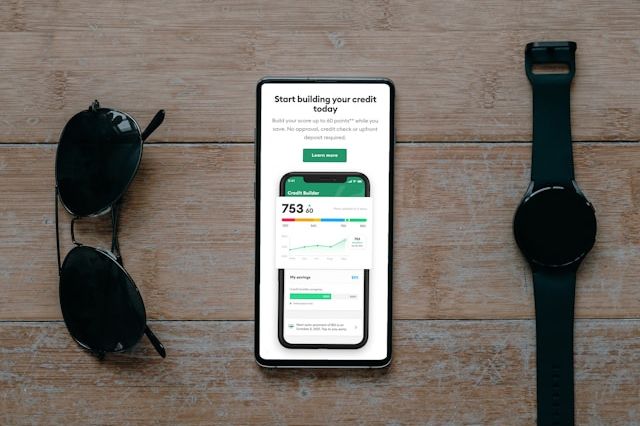
What Is a Credit Score?
Your credit score is essentially a three-digit number (ranging from 300 to 850) that indicates to lenders how likely you are to repay borrowed money. Think of it as your financial report card.
A higher score means you’re seen as more trustworthy, which translates to better interest rates and a higher chance of loan approval.
FICO vs VantageScore: These are the two primary scoring models. FICO score explained: The FICO score is the most widely used model (about 90% of lenders rely on it). VantageScore is the newer contender. They calculate scores a bit differently, but the underlying principles are quite similar.
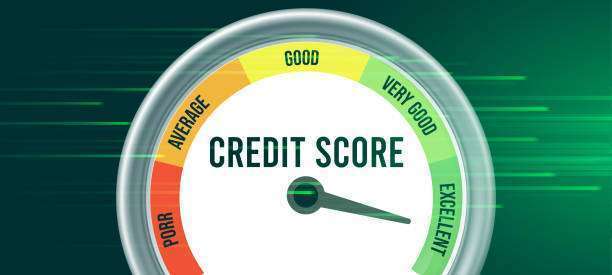
Credit score ranges:
- 300-579: Poor (you’ll have a tough time getting approved)
- 580-669: Fair (high interest rates, limited options)
- 670-739: Good (decent rates, most loans get approved)
- 740-799: Very Good (great rates, top credit cards)
- 800-850: Exceptional (best possible terms)
How Credit Scores Work (The 5 Factors)
Understanding how credit scores work is essential, and it all boils down to five key factors. Let’s break it down:
- Payment History (35%) – This is all about whether you pay your bills on time. It’s the most significant factor, and just one late payment can knock your score down by 60 to 100 points.
- Credit Utilization (30%) – This measures how much of your available credit you’re using. For example, if you have a $1,000 limit and you’re using $500, that’s a 50% utilization rate, which is considered too high.
- Length of Credit History (15%) – This factor looks at how long you’ve had your credit accounts. The longer your accounts have been open, the better it is for your score.
- Credit Mix (10%) – This refers to the different types of credit you have, like credit cards, car loans, and mortgages. A diverse mix can give your score a slight boost.
- New Credit Inquiries (10%) – This tracks how many times you’ve applied for credit recently. If you have too many applications in a short period, it can raise a red flag.
Now, why do some factors improve faster than others? You can quickly lower your credit utilization by paying down your balances, but rebuilding your payment history takes months, and lengthening your credit history can take years. So, it’s smart to focus on what you can change quickly.
How Fast Can You Realistically Improve Your Credit Score?
Short-term (30-60 days):
- Pay down credit card balances to lower your utilization.
- Fix any errors on your credit report.
- Become an authorized user on someone else’s good account.
- Request credit limit increases.
Medium-term (3-6 months):
- Build a consistent on-time payment history.
- Pay off collections, especially with newer scoring models.
- Work on reducing your overall debt.
Long-term (6-24 months):
- Recover from major negatives like late payments or collections.
- Build up the length of your credit history.
- Diversify your credit mix.
I’ve seen people increase their scores by 50 to 100 points in just 60 days by correcting errors and paying down balances. However, if you’re dealing with serious issues like collections or charges, here are the steps to follow.
Step 1: Check Your Credit Reports for Errors
Where to snag free credit reports: Head over to AnnualCreditReport.com, where you can grab one free report from each of the three major bureaus (Equifax, Experian, TransUnion) every year.
Common mistakes to keep an eye out for:
- Accounts that don’t belong to you
- Incorrect payment statuses
- Duplicate accounts
- Wrong balances or credit limits
- Collections that you’ve already settled
How to dispute errors: You can file a dispute online with each credit bureau that shows the error. Just make sure to provide the necessary documentation. They have 30 days to look into it.
When I checked my report, I discovered a medical bill in collections that I had already paid off. After sending one dispute letter and waiting 45 days, it was removed, and my score shot up by 30 points.
Step 2: Pay Down Credit Card Balances (Biggest Impact)
This is the fastest way to boost credit score legally.
Credit Utilization Ratio Explained: This is the percentage of your available credit that you’re currently using. For example, if you have a total credit limit of $10,000 and you’re using $3,000, your utilization is 30%.
Ideal percentages:
- Under 10% = excellent
- 10-30% = good
- 30-50% = can hurt your score
- Over 50% = major damage
How to lower utilization fast:
- Pay down your balances (the most effective method)
- Request increases to your credit limits (this raises the denominator)
- Open a new card but don’t use it (this gives you more available credit)
- Make multiple payments each month before your statement closes
I keep my utilization below 10%, which helps my score stay above 750. But when I let it rise to 40% one month due to some big business expenses, my score dropped by 35 points. I paid it off the next month, and my score bounced right back.
Step 3: Pay Every Bill On Time (No Exceptions)
Payment history’s impact on credit is HUGE. It’s a whopping 35%!
Setting up automatic payments: To make things easier, consider setting up automatic payments. Just link your checking account to auto-pay at least the minimum on all your credit accounts. Personally, I set everything to auto-pay and then pay extra whenever I can.
What to do if you missed a payment: If you happen to miss a payment, don’t panic! If it’s less than 30 days late, just pay it right away, and it won’t show up on your credit report. If it’s already been reported, your focus should be on making sure you never miss another one. One late payment can sting, but a pattern of them can really wreck your score.
Grace periods: As for grace periods, you typically have until the due date plus a few extra days before it’s marked as late. But honestly, it’s best not to gamble—pay on or before the due date.
Step 4: Avoid New Hard Inquiries
What counts as a hard inquiry: Well, it’s when you apply for credit cards, loans, mortgages, or car financing. Each hard inquiry can temporarily knock your score down by 5-10 points.
How long they affect your score: Hard inquiries will be on your report for two years, but they only affect your score for about 12 months.
When applying makes sense: If you need credit for something important, like a mortgage or a necessary car, don’t let the fear of inquiries hold you back. Just avoid applying for credit cards you don’t really need.
Step 5: Use Credit Cards Strategically
Keep those old accounts open! Closing old cards can reduce your available credit (which raises your utilization) and shorten your credit history. So, even if you’re not using them, keep them active
Authorized user strategy: Ask someone with good credit—like a parent or spouse—to add you as an authorized user on their oldest card with low utilization. Their positive credit history can give your score a nice little boost.
Pros? You could see a quick improvement in 30-60 days. Cons? You’ll also be affected by their credit behavior, so if they miss payments, it could hurt you, too.
Secured credit cards: If your credit isn’t great, think about getting a secured credit card (where you put down a deposit). Use it for small purchases, pay it.
Step 6: Reduce Negative Marks (Legally)
Late payments: While you can’t erase accurate late payments, you can try sending a “goodwill letter” to your creditor, asking them to remove it as a favor. It doesn’t always work, but it’s definitely worth a shot.
Collections accounts: Paying off collections might help, depending on the scoring model. FICO 9 and 10 overlook paid collections, but many lenders still rely on FICO 8, which doesn’t.
Goodwill letters explained: This is simply a polite note where you explain why you were late (like a medical issue or job loss) and ask for a one-time removal as a courtesy. The success rate isn’t high, but it’s free to give it a go.
Pay-for-delete: This involves negotiating with collectors to have the account removed if you pay. Sometimes it works, but there are no guarantees. Make sure to get it in writing before you pay.
Step 7: Build Positive Credit History Moving Forward
Small recurring charges strategy: Put a small bill (like Netflix or Spotify) on each credit card, set it to auto-pay, and watch your positive history grow.
Keeping balances low: Pay off your cards before the statement closes to show a $0 balance. This demonstrates responsible credit use without carrying any debt.
Responsible credit use: Only charge what you can afford to pay off each month. Remember, credit cards are tools, not extra cash.
What Will NOT Improve Your Credit Score

Credit repair scams – Be wary of companies charging $500-1,000 to “fix” your credit; they’re usually scams. Anything they can do, you can handle yourself for free.
Closing old accounts – This can hurt your score by reducing your available credit and shortening your credit history. Avoid doing this.
Carrying balances “for credit building” – This is a complete myth. You don’t need to pay interest to build credit. Just pay in full every month.
Paying interest unnecessarily – Another myth. You build credit by having accounts and making timely payments, not by racking up interest.
How Improving Your Credit Score Affects Your Finances
Lower interest rates – Just a 100-point increase in your score can save you a ton of money—think thousands on a car loan or even tens of thousands on a mortgage.
Better chances for loan approval – With a higher score, more lenders are likely to say yes and even compete for your business.
Savings on insurance – Many insurance companies look at credit scores to determine premiums. Better credit means lower rates for your car and home insurance.
Long-term advantages – Over your lifetime, maintaining good credit could save you anywhere from $50,000 to over $100,000 in interest payments.
Frequently Asked Questions
What’s the quickest way to boost my credit score?
Start by paying down your credit card balances to get your credit utilization ratio below 30% (ideally below 10%). This can help improve your score in just 30-60 days. Also, take a look at your credit report for any errors and dispute inaccuracies right away. These are the two fastest credit score tips that actually work.
How much can my credit score go up in 30 days?
Realistically, you might see an increase of 20-50 points if you significantly pay down balances or fix errors. Some people have managed to gain 80-100 points by addressing major utilization issues, but that’s less common. Just remember, don’t expect overnight miracles—how long credit repair takes really depends on where you’re starting from and the issues you’re tackling.
Should I pay off my cards completely or leave a balance?
Pay them off completely! The idea that you need to carry a balance to build credit is a total myth. You build credit by having accounts and making timely payments, not by racking up interest. Keep your utilization low (under 30%, ideally under 10%), but there’s no need to carry balances from month to month.
Does checking my credit score hurt it?
Not at all! Checking your own score is considered a “soft inquiry” and won’t affect it in any way. Feel free to check as often as you like using free services like Credit Karma, Credit Sesame, or the free score feature from your credit card. Only applying for new credit results in “hard inquiries,” which can temporarily lower your score.
Can I fix bad credit on my own?
Absolutely! You can do everything a “credit repair” company does, and you can do it for free. Just dispute any errors, pay down your balances, set up auto-pay, and give it some time. Instead of shelling out $500 to $1,000 to those companies, why not use that money to tackle your debt?
Does paying off collections remove them from my credit report?
Not right away. Even after you pay them off, collections will stick around on your report for seven years from the date of the original delinquency. However, newer scoring models like FICO 9, FICO 10, and VantageScore 3.0 and 4.0 don’t count paid collections, so paying them off can be beneficial if lenders are using those models. Most still rely on FICO 8, which does consider paid collections, but paying them off still has its perks beyond just your score.
Final Thoughts: Consistency Beats Quick Fixes
Look, learning how to improve credit score fast isn’t about some magic solution or hiring a company to “fix” things for you. It’s all about understanding how the system works, making smart moves, and staying consistent. Pay your bills on time, keep your balances low, avoid applying for credit you don’t need, and check for errors. That’s 90% of the battle.
The credit repair strategies that actually work are the straightforward, legal, and free ones. Anyone promising you overnight miracles is just trying to sell you snake oil.
Remember, your credit score is a marathon, not a sprint. But if you focus on the right things, you can see real improvements in just 60 to 90 days. And steering clear of common credit score mistakes, like closing old accounts or falling for credit score myths, will help keep you on the right path.
Go check your credit report today at AnnualCreditReport.com. Dispute any errors. Pay down those credit card balances. Set up auto-pay. Just START.
Rooting for you,
Clouds