
Types of Sports in Nigeria: Traditional, Olympic & Team Games
List of Different Types of Sports Popular in Nigeria
Sports in Nigeria are a big part of its identity. They help bring together people from different parts of the country, no matter their background. From traditional games to modern sports like football and athletics, sports are part of Nigerian culture. Apart from providing entertainment, sports help in developing a sense of teamwork, discipline, and improving bodily health. Join us with 1xbet and explore this article as it looks at the different types of sports that are popular in Nigeria, modern and traditional, their representation in the Olympics, the difference between individual, team, and class sports, and the classic and contemporary games.
What Is a Sport and Why Is It Important in Nigeria?
Sport can simply be described as a physical activity that has the objective of improving one’s fitness or performance. However, in Nigeria, sport has a more deep-rooted social and cultural identity. They include aspects of every community, their education, and national pride.
It also provides a way for the youth to gain global attention and recognition. This includes football players participating in leagues in Europe and Nigerian athletes competing for medals in international tournaments. Sport has the ability to provide a route for people to gain success and a better social status.
Traditional Sports Played in Nigeria
Before the arrival of modern sports in Nigeria due to colonial influence, the people participated in a wide range of traditional sports that displayed strength, agility, and teamwork. Wrestling, or kokawa, is one of the oldest and most popular traditional sports, particularly in the northern regions of Nigeria. It consists of two contestants trying to outmaneuver one another and gain victory through a test of technique and physical strength.
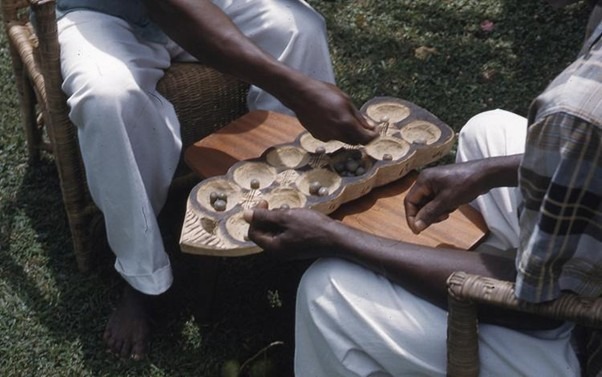
Ayo is another notable traditional sport which is a board game of strategy and intelligence popular among the Yoruba people. It promotes mental sharpness, encourages healthy competition, and is socially beneficial. Other cultural games, including dambé, which is a form of boxing practiced by the Hausa, archery, and local running games that are organized during the festive season also serve to promote and maintain the community spirit.
Common Sports Among Nigerian Youth
The younger generation of Nigerians is enthusiastic about and participates in both traditional Nigerian sports and imported international sports. Football is the most popular sport played, with school competitions and informal games in the streets happening on a daily basis. In urban areas, Nigerian youth sports programs are also centered around basketball, volleyball, and athletics.
In Nigeria, the school physical education system is also designed to promote student participation in sports. This helps to strengthen coordination, teamwork, and leadership. For many children, sports serve as a positively channelled outlet for the expression of energy and creativity. For others, participation in sports and athletics is a potential career through talent scouting and scholarships.
List of Different Types of Sport Names in Nigeria
Sports culture in Nigeria is multifaceted, including a range of activities from team-based to individual participatory games. The description of the fundamental types, grouped according to how they are played, and their popularity in the country, is outlined below. These sports include both traditional and modern categories that combine skill, teamwork, and endurance.
Team Sports Popular in Nigeria
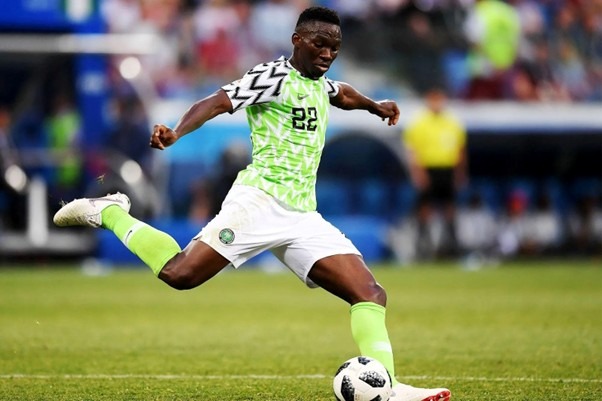
Team-based games are the most important component of sport in Nigeria. Football is commonly number one and most popular. It evokes passion and unites the country, especially during local and global competitions. The Nigerian football league and the Super Eagles and Super Falcons football teams are the biggest icons of the culture around the sport in Nigeria.
Nigeria is also one of the strongest basketball nations in Africa. The women’s and men’s teams, the D’Tigress and D’Tigers respectively, have played in multiple global competitions, and the Nigerian basketball league is very popular. Other team sports such as volleyball and handball have also gained popularity, especially in educational institutions.
Cricket and rugby, which were introduced during the colonial period, have a smaller but committed following. These ball games encourage the values of cooperation, discipline, and endurance, which are also core values in Nigerian society. Enthusiasts involve themselves in leagues and tournaments for excitement and one team spirit.
In some northern areas, polo—which involves the horse and precise control—is becoming a favourite among upper-class Nigerians. Polo requires specialized equipment and skill to shoot or hurl the ball with accuracy using a mallet. This style of sport shares origins with South Asia and shows Nigeria’s openness to diverse athletic traditions.
Individual and Partner Sports
Even though most people focus on team sports, individual and partner sports are still popular in Nigeria. For Nigerian athletes, athletics—which encompasses sprinting, the long jump, the high jump, and the hurdles—has been one of the most successful branches. Blessing Okagbare and Tobi Amusan are two famous athletes in track and field, bringing Nigerian athletics international recognition.
There are also many players in tennis and table tennis, and many national tournaments are held for these sports each year. Quadri Aruna, a table tennis player, has become a source of inspiration for many young Nigerians by gaining international success. Due to improved training in cities, badminton and swimming are also becoming more competitive in Nigeria.
In addition, adventure sports such as mountain running and cycling are becoming popular with fitness enthusiasts, especially during the dry seasonal months when outdoor conditions are ideal. These sports include those that test endurance, strength, and control, allowing Nigerians to define new boundaries in physical achievement.
Combat Sports and Martial Arts
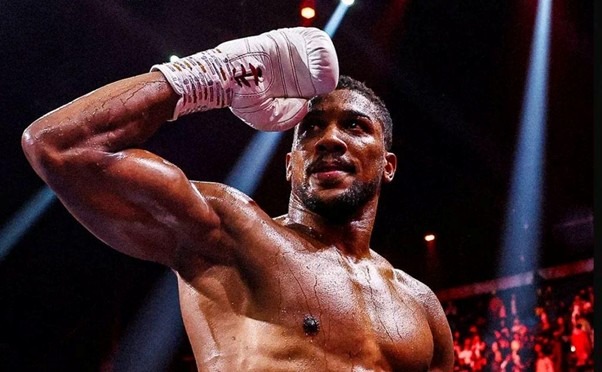
The discipline, courage, and self-control required in combat sports are underappreciated by most people. Nigeria has produced champions in boxing and has world champions in the sport like Anthony Joshua and Bash Ali. At both the amateur and professional levels, players also practice wrestling, taekwondo, and judo.
Specifically, taekwondo has expanded greatly in Nigeria due to youth programs provided by schools and community clubs. Nigerian martial artists are able to compete in African championship tournaments and other international competitions, and this shows the development opportunities Nigeria has made in combat sports.
Some Nigerian martial arts enthusiasts also study Asian forms like sumo, which originated in Japan, and archery, where they use a bow and arrow for accuracy. These combat and precision sports combine physical power with mental focus, making them attractive to Nigerians looking for excitement and personal growth.
Ball Sports Played Locally
In addition to football and basketball, there are other ball-based games that Nigerians enjoy. For instance, table tennis is a popular indoor sport, while, among the elite and professionals, lawn tennis and golf are favorites. Volleyball, netball, and handball are school sports that are played regularly, providing excellent ways to develop hand-eye coordination and teamwork that are vital in other sports.
Baseball and softball, while more uncommon, are starting to be introduced in schools and universities, and are part of the effort to diversify sports in Nigeria. Ice hockey, though not yet widespread due to Nigeria’s tropical climate, is discussed among sports planners as a potential indoor category for future development.
Ball sports often involve running, jumping, and quick reflexes to shoot, throw, or lift the ball depending on the rules of the game. These physical aspects make ball games appealing for Nigerian youths who seek both fun and competition.
Indoor and Net Sports
Indoor and net sports are quite ideal for Nigerians, as the humid weather does not always allow for outdoor sports. For this reason, sports such as badminton, table tennis, and volleyball tend to be quite popular, as they are easily accessible, do not require much space to play, and attract both males and females.
Other sports, such as squash and indoor football (futsal) are gaining more popularity in gyms and private sports centers as well. The growing number of indoor sports in Nigeria also emphasizes the need to diversify outdoor games, which is a goal that Nigeria is working on.
These sports involve smaller playing areas and specialized equipment, making them convenient and adaptable for urban settings. Nigerian athletes in these disciplines often admire international Olympic Committee (IOC) standards to improve their performance and maintain professionalism.
Olympic Sports Nigeria Competes In
For Nigerian athletes, the Olympic Games are the most prestigious international sports competitions. Nigeria first participated and competed in the Olympic Games back in 1952. Since then, Nigeria has partaken in boxing, football, weightlifting, and most prominently, athletics. Nigerian athletes continuously showcase exceptional talent as they compete on the world stage.
The International Olympic Committee (IOC) sets global standards for Olympic participation, and Nigeria’s growing involvement shows alignment with international customs and regulations.
List of Nigeria’s Olympic Sports for Paris 2024
During the Paris 2024 Olympics, Nigeria will likely take part in athletics, boxing, wrestling, weightlifting, basketball, soccer, table tennis, and taekwondo. Interest in canoeing and gymnastics has increased, and Nigeria might add those to the list as well.
Athletics will still have the most competition optimism, especially in the sprints and hurdles. Nigeria also has both men’s and women’s basketball teams, showing capability in multi-progression as a sports nation. Each category of Olympic sport presents distinct development opportunities for athletes to improve and compete globally.
Nigeria’s Strongest Olympic Sports: From Track to Combat
Track and field still keeps most of the focus, especially the sprints as Nigeria continues to churn out medal-winning athletes in the 100m, 200m, and relays. In the initial Olympic editions, boxing and wrestling also provided consistent medals.
In taekwondo, women’s hurdles, and long jump, Nigerians continue to break records and gain continental honors. Along with weightlifting, these achievements show Nigeria’s progress toward height of excellence on the world stage.
Sports Nigeria Aims to Qualify In
By developing programs around swimming, gymnastics, and badminton, Nigeria is increasing its Olympic range beyond traditional sports. National sports development programs aimed at young athletes in training have become a focus with the increase in sports.
These efforts reflect Nigeria’s intention to broaden its involvement in the Olympics and increase the number of medals it wins. This is the result of the country’s enormous and gifted youthful demographic, whose favourite ambition is to compete internationally under the guidance of the IOC.
Popular Sports by Type of Activity
According to the type of activity that sports include, they may also be categorized as racing, skill, cooperation, and physical endurance. This classification enables one to appreciate the different sports Nigerians engage in and derive enjoyment from. The category and style of play often depend on the available equipment, climate, and community interest.
Racing and Jumping Sports
There is track and field Athletics, for Nigeria, it is racing and jumping sports. Sprinting, marathons, and relay races are the most contested, especially at the interscholastic and athletic club competitions. The African Athletics Championships have several Nigerian students record championship wins in the high, long, and triple jumps.
Motorsports and cycling are not as developed as the other racing sports, but are being embraced by the youth in the Urban setting. The cycling events in Lagos and off-road motor rallies are sports outlets that foster interest in the aspect of racing.
Games That Require a Ball or Net
Most of the sports in Nigeria incorporate a ball or a net. This is because of the ease of understanding and the most widely played are football, basketball, volleyball, handball and tennis. The common feature that these sports posses are co-ordination, collaboration, and rapid response.
Table tennis is a sport that can be played in homes, schools, and recreation centers. It is inexpensive, can be played by people of all ages, and is inclusive. Women play netball and volleyball, which promotes equality in sports participation.
Sports Based on Teamwork vs. Solo Skills
In Nigeria, sports can also be grouped according to whether they are played in a group or by oneself. Team sports such as football, basketball, and volleyball are played in a combination of strategy and coordination to win. These sports enhance communication and strengthen social bonds.
Conversely, athletics, boxing, and tennis are played in isolation and focus on self-discipline. Solo sport athletes in Nigeria are often heroes, embodying national pride, and showcasing spirit, determination, and resilience.
FAQs
What Are the Most Popular Sports in Nigeria?
Nigeria’s most enjoyed sport is football, which is followed by basketball, athletics, and boxing. These sports have large audiences, corporate investment, and media coverage.
Are Traditional Sports Still Played Today?
Yes. Traditional sports such as wrestling, ayo, and dambé boxing are still practiced throughout Nigeria. Many cultural celebrations include these activities, which in turn, help to preserve the country’s heritage in sport.
Which Olympic Sports Is Nigeria Best At?
Nigeria performs well in athletics, mainly in sprints, hurdles, and the long jump. Nigeria also competes at the Olympic level in football, basketball, and boxing.
How Are Sports Promoted in Nigerian Schools?
Promotion starts at the primary and secondary school levels. Each school incorporates physical education as part of the school curriculum, and each school organizes inter-house competitions, which helps identify young talent. This talent can then progress to regional and national tournaments. Youth in athletics, football, and basketball also receive support from the government and private sectors.



![Entrepreneurial Story of the Igwe Twins [Started as Office Cleaners]](https://thetotalentrepreneurs.com/wp-content/uploads/2016/09/Entrepreneurial-Story-of-the-Igwe-Twins-Started-as-Office-Cleaners-SpeedMeals-Mobile-Kitchen.png)