Businesses Face Pressure To Deliver On Net Zero Promises
In the last half-decade, businesses have pledged their commitments to “Net Zero”. It once used to be a USP, but every business is now forced to do it. From consumers to investors to the government, they don’t expect long-term pledges and would rather see action and results at this point. They want to see something that is measurable. As Net-Zero reviews are intensifying, companies are finding that it is a lot harder to deliver them as anticipated.
In this guide, we will explore how businesses are facing pressure to become Net Zero, with the demand becoming high for modern consumers. Continue reading to find out more.
From Ambition To Being Held Accountable
Net Zero has become central to improving the global climate. Thousands of companies from all over the world have promised they will reach Net Zero by 2050, with some even claiming that they will achieve it earlier. However, the gap between execution and ambition is becoming very large.
The problem many businesses and countries had was that the early commitments lacked a plan. It also needed interim targets along with progress measurements. That is why stakeholders are demanding more transparency from these businesses.
Rising Regulatory Pressure
Governments from many different countries are introducing stricter climate requirements. In the UK and Europe, businesses report on their environmental impact in more detail. This includes scope 1, scope 2, and scope 3 emissions.
If a business doesn’t successfully comply, then they are at risk of being fined and receiving reputational damage. Furthermore, as the framework continues to evolve, the incomplete commitments are not accepted. This is why businesses are forced to evolve to ensure they comply with regulations.
Investor Expectations and Financial Risks
Investors are also challenging these businesses, with ESG playing a vital role in capital allocation. Institutional investors want clear, measurable progress and credible transition plans. If a company is unable to provide a clear pathway to Net Zero, then they risk not being included in investment portfolios. This alone shows there is a massive recognition of climate risk and how it can directly impact financial performance.
Consumer Awareness and Overall Trust
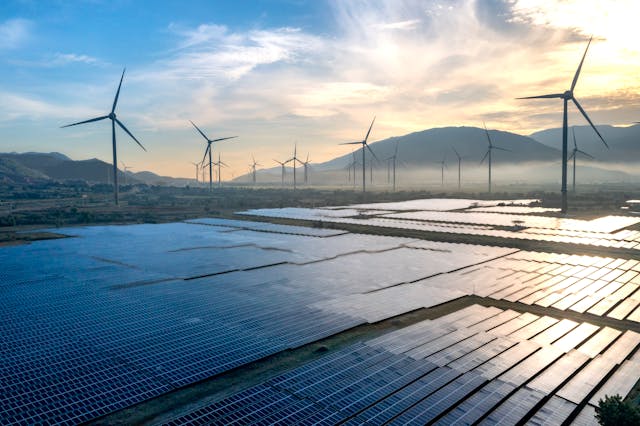
Expectations from the consumer are also becoming more demanding. Many businesses face the challenge of moving to more renewable energy. As more people become aware of climate change, more consumers choose brands that align with their values. This means that sustainability is becoming a more mainstream purchasing factor.
Even brands that claim they are green but are actually not are being exposed. This is also known as greenwashing, and thanks to social media, these brands are being exposed for their inconsistencies between what companies say and what they do.
Operational Challenges on the Path to Net Zero
Despite the pressure from all angles, achieving Net Zero is far less simple than first anticipated. Many of the businesses that claimed to be on track to achieve this are facing great challenges. This can include anything, such as using renewable energy to redesign products and processes. Not just that, but these changes can also be quite expensive, which are not accounted for initially.
For the more carbon-intensive industries such as manufacturing, aviation and energy production, the challenge is much greater. Many business models are deeply tied to fossil fuels, making it extremely difficult to transition to renewable energy.
The Scope 3 Difficulties
This is one of the greatest difficulties that a company faces, and this means the emissions generated across a company’s value chain. These tend to be the hardest to measure and also account for the most emissions within a company.
Critics are arguing that overreliance on offsets can delay meaningful emission reductions. As a result, stakeholders are demanding that businesses prioritise cutting emissions at the source rather than compensating for them elsewhere.
Technology and Leadership Enablers
Technology brings both challenges and opportunities. We have seen massive advancements with renewable energy, energy efficiency, and carbon capture, which are helping businesses reduce emissions. Meanwhile, digital tools improve how companies measure and manage a business’s environmental impact. That being said, success does depend on leadership. In order to deliver on the Net-Zero commitments, there needs to be clear targets, strong governance, and alignment across the organisation.
Limits of Carbon Offsetting
To bridge the gap between emissions and reductions, companies start to rely on carbon offsetting. However, the credibility of carbon offsetting is under a lot of scrutiny. The reason for this is that critics argue they can delay meaningful emission reductions. As a result, business owners are demanding that startup businesses prioritise cutting emissions at the source rather than concentrating on other areas.
Summary
There is no doubt that the demand for businesses to deliver on their Net-Zero promises is going to increase. It doesn’t matter whether it is a car manufacturer, a car park in Leeds, or even a supermarket. Every business needs to deliver on its promises.